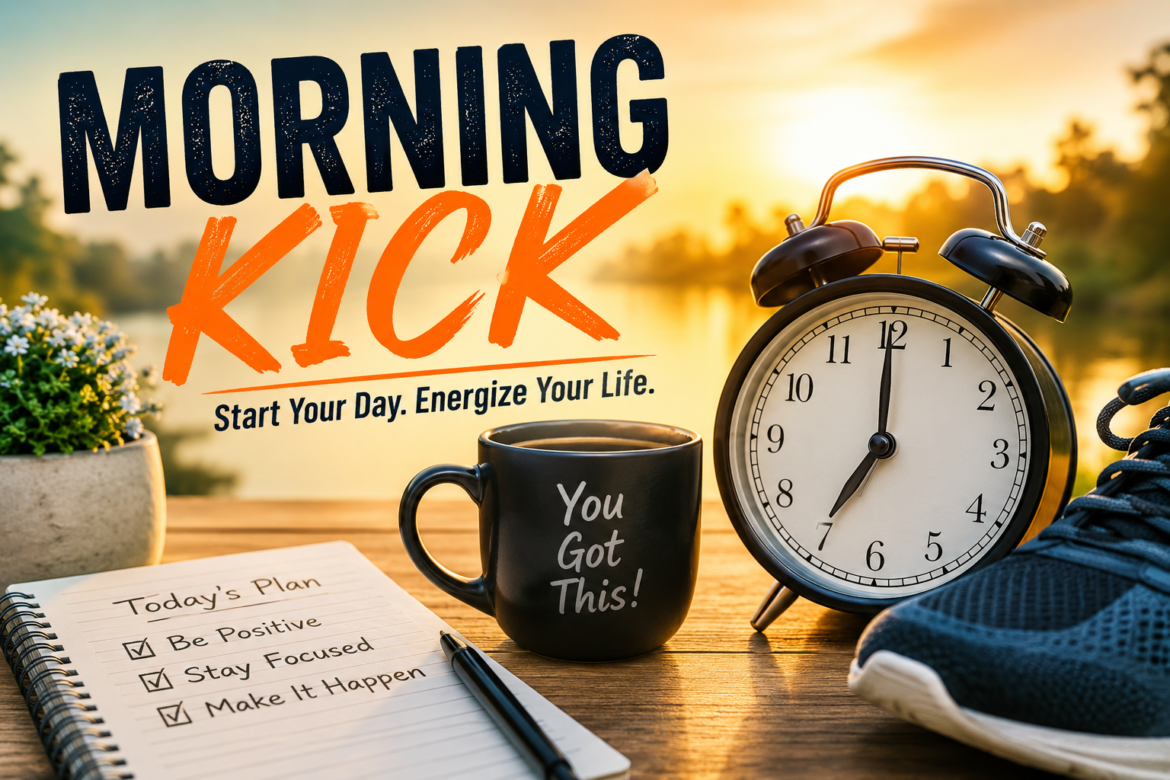
Morning Kick: Understanding the Meaning Behind the Phrase
“Morning kick” is a simple phrase that can have several meanings depending on the context in which it is used. In everyday conversation, it often describes something that helps a person feel energized, alert, motivated, or ready to begin the day. For some people, a morning kick comes from a cup of coffee, while others get that early boost from exercise, a refreshing shower, music, sunlight, or a healthy breakfast.
The phrase can also describe a routine, product, drink, habit, or feeling associated with starting the morning with extra energy. Because of this flexibility, morning kick has become a useful expression for discussing the small things that transform a slow start into a productive beginning.
What Does Morning Kick Mean?
The meaning of morning kick generally centers on the idea of an early-day boost. After several hours of sleep, people can wake up feeling refreshed, but it is also common to experience sleepiness, low motivation, or difficulty concentrating. A morning kick refers to whatever helps overcome that sluggish feeling.
It does not necessarily mean something intense or dramatic. Even a short walk around the neighborhood, a glass of water, or a few minutes of stretching can provide a noticeable sense of renewal. The phrase is therefore less about one specific activity and more about the experience of becoming mentally and physically prepared for the day.
Why People Look for a Morning Kick
Mornings often set the emotional tone for the hours that follow. When someone wakes up feeling tired or unmotivated, getting started can feel difficult. A reliable morning routine can create structure and reduce that sense of resistance. The desire for a morning kick comes from wanting to transition smoothly from rest to activity.
People may want greater alertness before work, improved concentration before studying, or simply a more positive mood before handling daily responsibilities. Finding a sustainable way to become energized can make mornings feel less stressful and more manageable.
Coffee as a Popular Morning Kick
For many adults, coffee is closely associated with the concept of a morning kick. Its caffeine content can increase alertness and temporarily reduce feelings of tiredness. Coffee also provides a familiar ritual that can make the beginning of the day feel comforting and predictable.
However, the ideal amount varies from person to person, and excessive caffeine can interfere with sleep or cause unwanted effects such as nervousness or restlessness. A morning coffee can be part of a balanced routine, but it does not have to be the only source of morning energy.
Tea and Other Morning Drinks
People who do not prefer coffee have many alternatives. Tea can provide a gentler caffeine boost, while water is important for restoring hydration after sleep. Some people enjoy warm herbal beverages as part of a relaxing morning ritual. Others prefer smoothies, milk-based drinks, or naturally flavored water.
The best choice depends on individual preferences and dietary needs. What matters most is creating a morning beverage routine that feels enjoyable rather than relying entirely on highly sweetened or heavily caffeinated products.
Exercise Can Provide a Natural Morning Kick
Physical activity is another effective way to create an energetic start. Morning exercise does not have to mean an intense gym session. Gentle stretching, yoga, walking, cycling, or a short bodyweight workout can help the body transition into an active state.
Movement also provides a psychological benefit because completing even a small workout can create a feeling of accomplishment. For people who enjoy exercise, a morning session may become one of the most dependable parts of their daily routine. The key is choosing an activity that is realistic enough to maintain consistently.
The Role of Morning Sunlight
Natural light is another important part of a healthy morning routine. Exposure to daylight after waking can help reinforce the body’s normal sleep-wake rhythm. Opening curtains, sitting near a bright window, or taking a short outdoor walk can make the morning feel more awake and connected to the day.
Sunlight also changes the atmosphere of a room, making the transition from nighttime to daytime more noticeable. Instead of immediately reaching for a phone, spending a few minutes in natural light can be a simple way to create a calmer and more refreshing morning.
A Healthy Breakfast for Lasting Energy
Food can play an important role in providing a morning kick. A balanced breakfast containing protein, fiber, healthy fats, and carbohydrates can provide sustained energy rather than a brief spike followed by a crash. Options such as eggs with whole-grain toast, yogurt with fruit and nuts, oatmeal, or a balanced smoothie can be convenient choices.
Not everyone needs to eat immediately after waking, and individual eating schedules differ. The important point is to choose foods that support personal energy levels and fit naturally into the day’s routine.
Morning Kick and Mental Preparation
Energy is not only physical. Mental readiness is equally important. A person can sleep well and still wake up feeling overwhelmed by everything that needs to be done. A few quiet minutes of planning can create a sense of control.
Writing down priorities, reviewing a schedule, practicing mindfulness, or simply sitting quietly can help organize thoughts. This mental preparation can serve as a different kind of morning kick because it provides clarity instead of stimulation. Starting with a clear mind may make demanding tasks feel more manageable.
Music as a Morning Energy Booster
Music can quickly influence mood and atmosphere. Some people enjoy energetic songs while getting dressed, preparing breakfast, or commuting. Others prefer calm instrumental music that helps them gradually wake up. The right playlist can become an enjoyable signal that the day has begun.
Over time, certain songs may even become associated with positive morning habits. Music does not provide physical energy in the same way as sleep or nutrition, but it can contribute to motivation and emotional readiness.
Cold Showers and Morning Alertness
Cold or cool showers are sometimes promoted as a way to feel immediately more awake. The sudden change in temperature can create a strong sensation of alertness, although it is not necessary for everyone. A normal shower can also serve as an effective transition between sleep and daily activities.
The most useful approach is to choose a shower temperature and routine that feels comfortable and safe. A morning kick should leave someone feeling prepared for the day, not uncomfortable or exhausted before the day has even started.
The Importance of Quality Sleep
One of the most overlooked parts of a morning kick is the night before. No morning beverage, playlist, or exercise routine can fully replace adequate sleep. Consistent sleep habits give the body an opportunity to recover and can make waking up significantly easier.
Going to bed at a regular time, reducing unnecessary screen use before sleep, and maintaining a comfortable sleeping environment can support better rest. When sleep quality improves, the need for artificial stimulation in the morning may decrease naturally.
Morning Kick and Digital Habits
Smartphones can influence the way people begin their day. Checking notifications immediately after waking can expose someone to work messages, social media updates, news, or other stressful information before they have mentally prepared.
Creating a short technology-free period can help protect the first part of the morning. Some people may choose to check their phone after breakfast, exercise, or personal planning. This simple boundary can turn the morning into a more intentional experience rather than an immediate reaction to digital demands.
Morning Kick for Busy Professionals
Busy professionals often have limited time in the morning, which makes efficiency important. A useful morning kick might involve preparing clothes and breakfast the night before, setting a realistic wake-up time, and avoiding unnecessary distractions.
A few minutes of movement can help break up sleepiness before commuting or beginning remote work. Professionals can also benefit from deciding on their top priorities before opening a long list of emails. This approach creates momentum without requiring a lengthy morning ritual.
Morning Kick for Students
Students may benefit from a structured morning because concentration is important for learning. A consistent wake-up time, nutritious breakfast, hydration, and light physical activity can help create a productive start. Reviewing the day’s classes or writing a short study goal can also provide direction.
Instead of attempting to complete a large amount of work immediately after waking, students can focus on becoming fully alert first. A calm and organized beginning may make it easier to concentrate once academic activities begin.
Morning Kick Without Caffeine
Not everyone wants caffeine, and it is completely possible to build an energetic morning without it. Hydration, movement, natural light, breakfast, music, and a consistent sleep schedule can all contribute to feeling awake. Even making the bed and opening a window can provide a small psychological signal that the day has started.
People who gradually reduce caffeine may initially notice more tiredness, but their experience can change as their routine adjusts. There is no universal requirement that a morning kick must come from coffee or another stimulant.
Avoiding the Afternoon Crash
A good morning routine should ideally support energy beyond the first hour. Relying on excessive sugar or large amounts of caffeine may provide temporary stimulation but can contribute to an uncomfortable energy pattern later.
Balanced meals, adequate hydration, regular movement, and appropriate sleep can support steadier energy throughout the day. The goal of a morning kick should therefore be sustainable alertness rather than simply producing the strongest possible burst of stimulation immediately after waking.
Morning Kick as a Lifestyle Concept
The phrase can also represent a broader attitude toward mornings. Rather than thinking of the morning as something to survive, people can view it as an opportunity to establish positive momentum.
A morning kick might come from preparing a favorite breakfast, spending time outdoors, reading, exercising, journaling, or enjoying a peaceful cup of tea. This perspective makes the concept more personal. What energizes one person may be completely different from what works for another.
How to Find Your Ideal Morning Kick
Finding the right routine often requires experimentation. One person may feel better after exercising, while another may prefer a quiet breakfast. Someone who dislikes early workouts may benefit more from a short afternoon exercise session and a peaceful morning.
It can be useful to change one habit at a time and notice how it affects mood, energy, and concentration. Keeping the routine realistic is equally important. A morning habit that requires too much effort may quickly become another source of stress.
Common Morning Kick Mistakes
Several habits can undermine the benefits of a morning routine. Hitting the snooze button repeatedly can make waking feel more difficult, while staying in bed scrolling through social media can delay the transition into the day.
Skipping hydration, relying heavily on sugary foods, or consuming excessive caffeine may also create an unstable energy pattern. Another common mistake is comparing one’s morning routine with highly polished routines seen online. A routine should fit real life rather than imitate someone else’s schedule.
Building Morning Momentum One Step at a Time
A morning kick does not have to begin with a dramatic transformation. Small changes can gradually create momentum. Someone might start by waking at a consistent time, drinking water, and spending five minutes outside.
After that becomes comfortable, they might add stretching or a short planning session. Building habits gradually makes them easier to maintain. The objective is not to create a perfect morning but to establish a repeatable pattern that helps the day begin with greater energy and purpose.
The Personal Meaning of Morning Kick
Ultimately, “morning kick” is not limited to one drink, exercise, product, or technique. It represents the thing that helps someone move from rest into readiness. For some, it may be caffeine; for others, it may be movement, sunlight, food, music, planning, or simply enough sleep.
Understanding this broader meaning allows people to create routines that are both enjoyable and practical. The most effective morning kick is one that supports energy without creating unnecessary pressure.
Final Thoughts on Morning Kick
A strong morning can influence how the rest of the day feels, but there is no single formula for achieving it. The idea of a morning kick is ultimately about creating a positive transition from sleep to daily life. Quality sleep, hydration, nutritious food, movement, natural light, thoughtful planning, and healthy digital boundaries can all contribute to that transition.
Instead of searching for one magical solution, people can combine small habits that match their lifestyle. With consistency and realistic expectations, a personalized morning kick can become a simple but valuable part of everyday life.
You Many Also Read: Daily Jumble Answers


1 thought on “Morning Kick Routine: Transform Your Mornings With Simple Daily Habits”