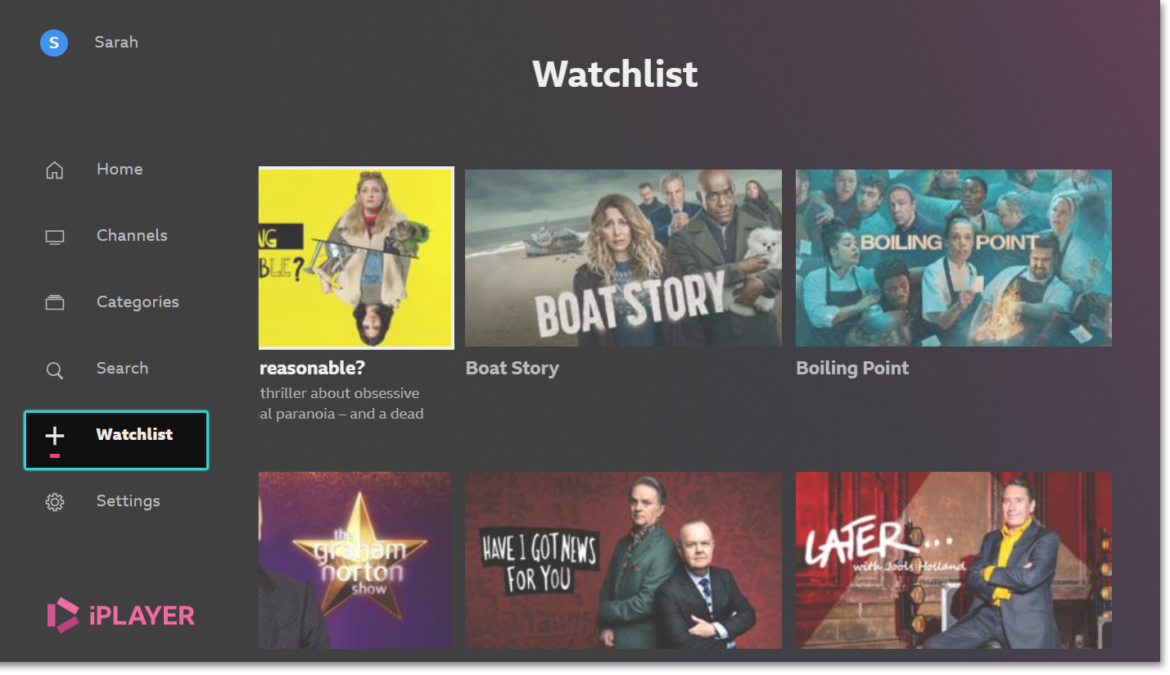
What Is My Watchlist?
My Watchlist is a simple but useful concept that allows people to keep track of items, products, stocks, movies, shows, sports, websites, or other content they want to monitor for later. Instead of trying to remember every interesting item discovered online, a watchlist creates one convenient place where selected items can be saved and reviewed whenever needed.
The exact meaning of “my watchlist” can vary depending on the platform. On a financial website, it may refer to stocks and market instruments. On a streaming service, it may contain movies and television shows. On a shopping platform, it can hold products a person is considering buying. Regardless of the platform, the basic purpose remains the same: save something now so it can be found and evaluated later.
Why My Watchlist Is Useful
A watchlist can make digital activities more organized and efficient. The internet constantly presents users with new information, entertainment, products, investment opportunities, and other choices. It is easy to discover something interesting but forget about it a few hours later.
My Watchlist solves this problem by creating a personal collection of items that deserve future attention. Rather than opening multiple browser tabs, writing down names, or relying on memory, users can save important items in one location. This can reduce clutter and make decision-making easier because everything being considered is grouped together.
How My Watchlist Works
The basic process behind a My Watchlist is usually straightforward. A user finds an item that they want to monitor and selects an option such as “Add to Watchlist,” “Save,” “Watch Later,” or a similar button. The selected item is then connected to the user’s account or profile and becomes available in the watchlist section.
When the user returns later, the saved item can be opened, reviewed, removed, or sometimes organized into categories. Some platforms also update information automatically. For example, a financial watchlist may display changing prices, while a streaming watchlist may show whether a movie or series is currently available.
My Watchlist for Entertainment
One of the most common uses of a watchlist is entertainment. Streaming platforms provide enormous libraries containing movies, documentaries, television programs, and other content. With so many options available, viewers can easily find something they want to watch without having enough time to watch it immediately.
Adding the title to a personal watchlist provides a convenient reminder. Instead of searching for the same movie again, users can simply open their saved collection. This is particularly helpful for people who discover recommendations throughout the week and prefer to save them for a later evening or weekend.
My Watchlist for Movies and Television Shows
Movie and television watchlists can also help viewers manage long-term entertainment plans. A person may save a newly released movie, an older classic, an upcoming series, or a show recommended by a friend. Over time, the watchlist becomes a personalized library of entertainment choices.
It can also help users avoid repeatedly scrolling through a streaming platform when they are unsure what to watch. A well-maintained watchlist provides a ready-made collection of options. However, users should occasionally remove titles they are no longer interested in so that the list remains useful rather than becoming an endless collection of forgotten items.
My Watchlist for Stocks and Investments
The phrase My Watchlist is also commonly associated with financial websites and investment applications. In this context, a watchlist allows users to monitor selected stocks, exchange-traded funds, cryptocurrencies, currencies, or other financial instruments without necessarily purchasing them. This can be valuable for people who want to study market movements before making a decision.
A watchlist can show information such as current price, daily movement, percentage change, trading volume, and other market data depending on the platform. It is important to remember that placing an asset on a watchlist does not mean that it is a recommended investment. A watchlist is primarily a monitoring tool, while investment decisions require independent research and consideration of risk.
Benefits of a Financial Watchlist
A financial watchlist can make market research more structured. Instead of attempting to follow hundreds or thousands of publicly traded companies, a user can select a smaller group of securities that deserve closer attention. This allows the person to focus on specific industries, companies, or investment themes.
For example, someone interested in technology could create a watchlist containing several technology companies and compare their performance over time. Another user might track dividend-paying businesses or companies approaching a particular valuation level. The watchlist itself does not guarantee better investment results, but it can provide a more organized starting point for research.
My Watchlist for Shopping
Online shoppers can also benefit from a personal watchlist. E-commerce websites often allow users to save products they may want to purchase later. This is useful when a person is comparing prices, waiting for a discount, checking different brands, or planning a future purchase. A shopping watchlist can prevent users from forgetting products they have already researched.
Depending on the platform, saved products may also display changes in price, stock status, availability, or special promotions. However, users should still compare prices and verify product details before making a purchase because saved products do not necessarily represent the best available deal.
Using My Watchlist to Compare Options
One of the strongest advantages of a watchlist is comparison. When several items are saved together, it becomes easier to evaluate their similarities and differences. A shopper might save multiple laptops before choosing one. A movie fan might save several films for the weekend.
An investor might monitor several companies within the same industry. Rather than making an immediate decision based on the first option encountered, users can create a short selection and evaluate each item more carefully. This approach can reduce impulsive choices and encourage more deliberate decision-making.
Keeping My Watchlist Organized
A watchlist becomes less useful when it grows without limits. Someone who saves every interesting item may eventually create a collection so large that finding anything becomes difficult. Organization is therefore an important part of maintaining a useful watchlist.
If a platform supports categories, users can separate items according to purpose. Financial assets could be grouped by industry, entertainment could be divided by genre, and shopping items could be separated by product type. Even when categories are not available, periodically reviewing the list and removing outdated items can make a significant difference.
When to Remove Items From My Watchlist
Not everything saved deserves to remain there permanently. Interests change, products become unavailable, movies may no longer seem appealing, and investment ideas can become irrelevant. Regular cleanup keeps a watchlist current. A useful approach is to ask whether each saved item still deserves attention.
If the answer is no, removing it can create space for something more relevant. For financial users, an asset may remain worth monitoring for a long time, but even financial watchlists should be reviewed periodically. For entertainment and shopping, removing completed or abandoned choices can make the list much easier to navigate.
My Watchlist and Personalized Recommendations
Many modern digital platforms connect watchlists with recommendation systems. When users save certain types of content, the platform may use those selections to understand their interests and suggest similar items. For example, saving several science-fiction movies may result in additional science-fiction recommendations.
Similarly, saving particular products may lead an online store to highlight related products. This can make discovering new content easier, although recommendations should not always be treated as objective judgments. Algorithms are designed to predict engagement or relevance, and users should still decide what deserves their attention.
Privacy and My Watchlist
Because watchlists are often connected to personal accounts, privacy should also be considered. A watchlist may reveal interests, purchasing intentions, entertainment preferences, or financial research habits. Users should understand the privacy controls provided by the platform they are using.
It is also sensible to protect account credentials and avoid sharing account access unnecessarily. Different services have different policies regarding saved information, personalization, and data usage, so reviewing account and privacy settings can help users understand how their watchlist information is handled.
My Watchlist on Multiple Devices
Many modern services synchronize watchlists across devices. A person may save something using a desktop computer and later access the same item through a smartphone or tablet. This synchronization is especially convenient for users who move between devices throughout the day.
However, the experience depends on the platform and account configuration. If a watchlist does not appear across devices, users may need to confirm that they are signed into the same account and that synchronization is supported. Keeping applications updated can also help maintain compatibility and reliable access.
Common Problems With My Watchlist
Although watchlists are generally simple, users can encounter several problems. Saved items may disappear if an account is changed, content may become unavailable, or products may sell out. Streaming rights can also change, meaning a movie that was previously available may no longer be accessible.
Financial information can change rapidly, and a watchlist may display data with different update intervals depending on the service. These situations demonstrate why a watchlist should be viewed as a tracking tool rather than a permanent guarantee that an item will remain available or unchanged.
My Watchlist and Decision-Making
A watchlist can encourage better decision-making because it creates a pause between discovery and action. Instead of immediately buying a product, watching a movie, or making an investment decision, users can save the item and return later. This small delay can provide an opportunity to research alternatives and reconsider priorities.
In financial situations especially, separating observation from action can be valuable because market conditions can change and decisions should not be based solely on excitement or short-term movements. The same principle applies to shopping, where waiting can reveal better prices or more suitable alternatives.
Watchlist Versus Favorites
The terms watchlist and favorites are sometimes used interchangeably, but they can serve slightly different purposes. Favorites often represent things a user particularly likes or wants to keep easily accessible. A watchlist may represent items that require future attention or a decision.
For example, a person could favorite a television show because they enjoy it while placing another show on a watchlist because they have not watched it yet. The exact distinction depends on the platform, but understanding the intended purpose can help users maintain a more organized digital collection.
Tips for Managing My Watchlist Efficiently
An effective watchlist should be reviewed regularly. Users can establish a simple routine, such as checking the list once a week or once a month depending on its purpose. Completed entertainment titles can be removed, unavailable products can be replaced, and financial assets that no longer deserve attention can be reassessed.
Users should also avoid saving items solely because they might become useful someday. The more selective the list is, the easier it becomes to recognize the items that actually matter. A short, relevant watchlist can often be more valuable than a massive collection.
The Future of My Watchlist
Watchlists are likely to become increasingly intelligent as digital platforms improve personalization and automation. Future systems may provide more advanced organization, automatic categories, price alerts, availability notifications, market updates, or reminders based on user behavior.
Artificial intelligence could also help users summarize changes among saved items and highlight which ones require attention. Even with these developments, the basic purpose of a watchlist will remain familiar: it gives people a convenient place to save things they want to remember, monitor, compare, or explore later.
Conclusion
My Watchlist is a simple concept with many practical applications across the digital world. Whether it is used for movies, television programs, products, stocks, financial research, or other types of content, a watchlist helps transform scattered interests into an organized collection. Its greatest value comes from convenience and focus.
Instead of relying on memory or repeatedly searching for the same items, users can save important choices and return to them when the time is right. A well-managed watchlist should remain focused, regularly updated, and connected to a clear purpose. When used thoughtfully, My Watchlist can become a practical tool for organizing information, comparing possibilities, and making more deliberate decisions in an increasingly crowded digital environment.
You Many Also Read: Breaking Ask


1 thought on “My Watchlist: A Complete Guide to Saving, Tracking, and Managing Your Favorites”